Snooker has a reputation as a gentleman’s game, and for good reason. Because most of the sport is played in silence, with one player at the table and the other sitting still, courtesy and respect are built into the way it works. Whether you are playing a friendly frame in a pub, a league match in a club or a tournament, knowing the unwritten rules will make the game more enjoyable for you and for everyone around you. This guide explains the etiquette of snooker: behaviour at the table, handling fouls, dealing with the referee, dress, equipment care and how to be a good winner and loser.
The spirit of the game
The key principle of snooker etiquette is simple: play fairly, respect your opponent and leave the conditions in which both players can perform at their best. Matches in the professional game are policed by referees and officials, but at club and amateur level, honesty and good manners keep things running smoothly. Many fouls and incidents in a casual game are never noticed by anyone but the player, so snooker depends on people being honest about their own errors.
These customs are not formal rules and they vary a little between clubs, but they are widely shared. If you are uncertain, watch what experienced players do, and when in doubt, ask. Most regulars are happy to explain.
When you are in your seat
The player who is not at the table should sit down and remain still. This is the most important custom in the sport.
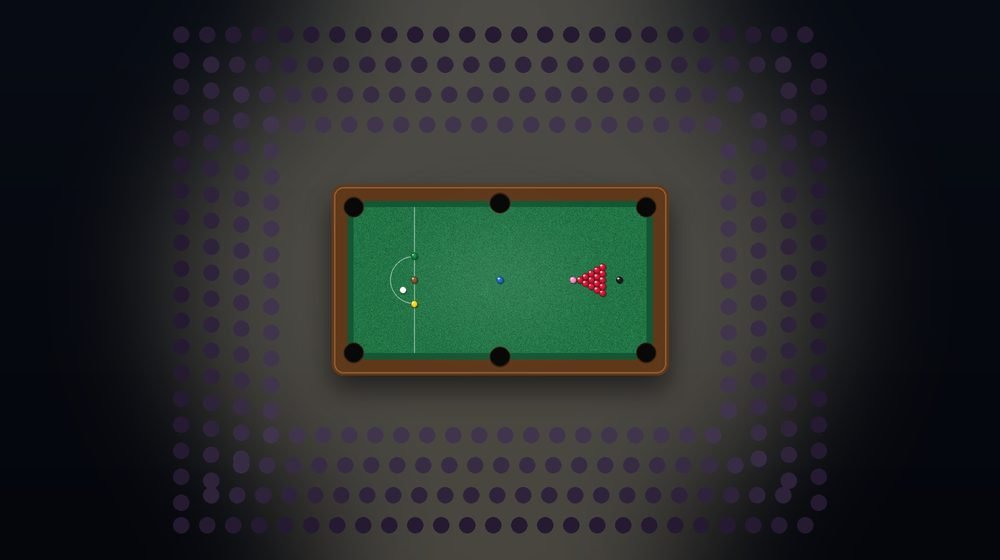
- Stay seated and quiet while your opponent is playing. Avoid talking, coughing loudly, rustling or fidgeting.
- Keep out of the line of sight. Do not stand behind the player or in their peripheral vision. If you need to move, wait until a shot is finished.
- Do not distract with your phone. Put it on silent, and avoid using it during a frame.
- Do not comment on the shot or give advice, unless the player asks. Remarks can be unwelcome and may affect their concentration.
- Do not walk around the table or move between the player and the lights. A passing shadow can be distracting.
It is acceptable to stand if you are waiting to play, or to take a short break between frames. But when your opponent steps in to play a shot, stillness is expected.
When you are at the table
At the table, you are responsible for the conditions of the game and for the manners that make it pleasant.
- Take your time, but do not be excessively slow. A reasonable pace respects your opponent. Long delays between shots can be frustrating, and the rules of competitions often limit how long you may take.
- Do not play when your opponent is moving. Make sure the table is clear, and check that the other player is seated before you play.
- Avoid distracting movements or gestures. Do not tap your cue, shout or make dramatic displays of frustration.
- Watch your body. Do not touch the balls or the cloth with your sleeves, and do not lean on the table.
- Chalk your cue away from the cloth. Chalk dust should not fall on the table, and you should never chalk over the baize.
If you accidentally touch a ball, say so at once. Our rules guide lists what happens after touching a ball, and the penalty is nearly always smaller than the damage done to your reputation if you try to hide it.
Honesty about fouls
In a game without a referee, you are your own judge. Every serious player makes it a point of honour to call their own fouls. If you touch a ball with your sleeve, hit the wrong ball first, or commit a push shot, say so. Do not wait to see if your opponent noticed.
Snooker is renowned for these gestures even at the top level. Players have been known to concede points they could have won, because they knew they had committed a foul that the referee missed. This is not weakness but a form of respect for the game, and it earns admiration.
The same applies to what you call. If you are unsure whether you hit a ball, or whether it was potted, discuss it openly. Resolve doubts by agreement, and when a dispute cannot be settled, ask a neutral person or replay the shot.
Referees and marking
In matches with a referee, the referee’s decision is final. Accept it calmly, even if you disagree. A player who shouts or argues does not gain anything and loses the respect of others. If you think the referee has made a mistake, you can ask politely for clarification at an appropriate moment, not in the middle of a shot.
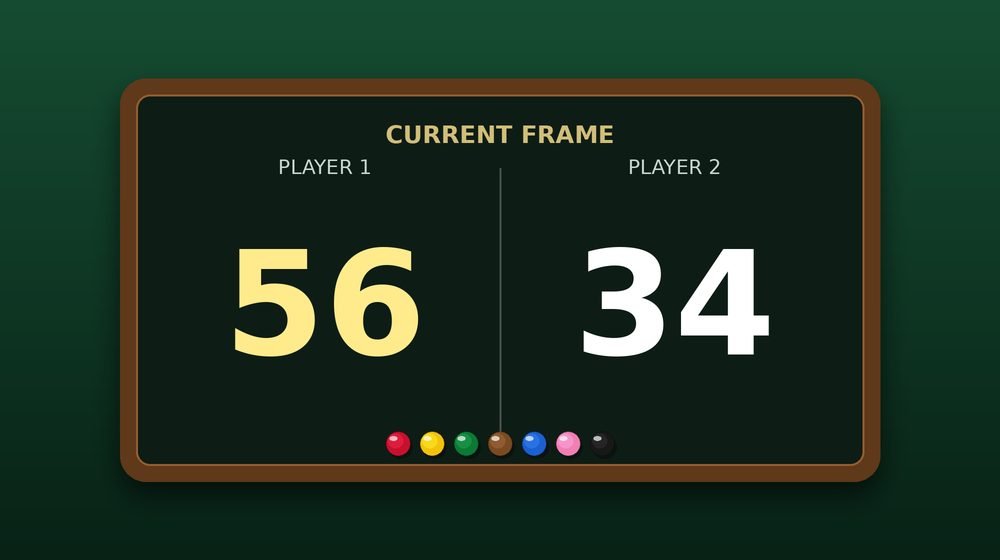
In matches without a referee, you may need to mark the score yourself. Many clubs use a scoreboard with sliding markers, and players take turns to update it. Always check that the score is correct and agree on any changes. A tidy, accurate scoreboard avoids arguments. If you want to refresh your knowledge of what each ball is worth, read our guide to ball points.
The referee will also replace balls, clean the cue ball and rack the reds. If you are playing without one, take it in turns to rack and replace balls, and check that they are returned to the correct spots.
Respecting the equipment
A snooker table is an expensive, delicate piece of equipment, and clubs rely on members to treat it carefully.
- Never sit or lean on the table, and do not place drinks, bags or coats on the cushions.
- Keep food and drink away from the cloth. A spill can ruin a cloth that costs a great deal to replace.
- Handle the cue with care. Do not use it as a lever, and do not drop it. Cues are lighter than they look and can bend or crack.
- Use the rest properly. Place it gently on the cloth and do not drag it across the table.
- Cover the table at the end of the session if the club has a cover, and switch off the lights.
- Report any damage. If you tear the cloth, tell the club at once. Concealing damage helps no one.
You will find more about keeping the cloth in good shape in our guide to table cloth and care.
Dress and conduct in clubs
Dress codes vary. Professional events are formal, with players wearing waistcoats, bow ties and dark trousers, a tradition that dates from the sport’s origins. At a local club, the expectations are more relaxed, though many clubs still ask for tidy dress and no hats. Check the club’s rules before you play, and err on the side of neatness.
General conduct is just as important. Keep your voice low, avoid foul language, and be mindful of other players using nearby tables. In a busy club, wait your turn for a table, and when you finish, make way for the next players. If you are new, introduce yourself: snooker clubs are friendly places and are often glad to see new faces.
Winning and losing
The mark of a good sportsperson is how they behave at the end of a frame. Shake hands, whether you have won or lost. If you win, be gracious. Do not gloat, and acknowledge the strong shots your opponent played. If you lose, congratulate the winner sincerely and avoid making excuses.
It is also good practice to avoid blaming the table, the cue or the lights. Everyone plays on the same table, and complaints sound hollow. Instead, treat a defeat as a chance to learn. Reflect on what went wrong, and think about what you can improve. The mental side of this is covered in our mental game guide.
If you are playing someone much weaker, do not be patronising. Offer encouragement and, if they ask, a few useful tips. If you are playing someone much stronger, enjoy the chance to learn by watching.
Being a good spectator
Spectators share responsibility for the atmosphere. At any event, whether it is a local league match or a major tournament, follow these simple guidelines.
- Arrive and leave quietly, and move only between shots.
- Applaud at the right moments, such as after a frame or a fine break, not during a shot.
- Keep phones silent and avoid taking photographs with flash.
- Do not shout advice or comment on the play loudly.
- Respect both players, and do not cheer an opponent’s mistake.
These customs keep snooker a calm and civilised game, and they are among the things many people love about it. If you are new to the sport and want to know what to expect at the table, our beginner’s guide covers how a frame is played from start to finish.