The cloth is the skin of a snooker table, and it has a huge effect on how the balls behave. A fresh, clean cloth plays fast and true. A worn, dirty or damp one plays slowly and unpredictably, and can ruin accurate play. Whether you own a table at home, run a club or simply want to understand why the same shot plays differently from one venue to the next, this guide explains what the cloth is made of, how it affects play, and how to keep it in good condition, including brushing, ironing, spills, humidity and when to replace it.
What the cloth is
Snooker cloth, often called baize, is a woven fabric, traditionally made from wool. The best-quality snooker cloths are made from a high percentage of fine worsted wool mixed with a small amount of nylon, which adds strength and resistance to wear. The cloth has a surface layer called the nap, a very short pile of fibres that lie in one direction. On a snooker table, the nap runs from the baulk end towards the top cushion.
The cloth is stretched tightly over the slate bed and secured under the edges, and it also covers the cushions. It is cut and fitted by hand by a skilled table fitter, who aligns the nap and takes care that there are no wrinkles. A good fit is essential: if the cloth is loose, the balls will not roll evenly. If you want to know about the slate bed beneath, see our guide to table dimensions and layout.
Types of cloth
There are several grades of cloth, and the choice depends on the level of play and the budget.
- Tournament cloths are the finest, with a very tight weave and a short, even nap. They are fast and smooth, and they are used for professional events. They are also the most expensive and can wear quickly under heavy use.
- Club cloths are slightly heavier and more hard-wearing. They give a good balance of speed and durability and are well suited to regular play.
- Home cloths are designed for lighter use. They are more economical and can last for many years when the table is played occasionally.
- Coloured cloths are available in blue, red and other shades. Green remains the standard for traditional play, but coloured cloths are sometimes chosen for decoration or for a distinctive look in a games room.
When you choose a cloth, think about how often the table is played and how fast you want it. A faster cloth rewards precise cue-ball control but is less forgiving for a beginner. A slower cloth gives the balls more grip, which can make potting and positional play easier to learn.
How the cloth affects play
The cloth influences nearly every aspect of how a ball moves.
- Speed: a fast cloth lets the ball roll further with less force, so you need a lighter touch. A slow cloth needs more power for the same distance.
- Spin: a clean, fast cloth lets spin last longer. On a dirty, worn cloth, backspin and side spin fade quickly. Our cue-ball spin guide explains why this matters.
- Straightness: an uneven cloth, with creases, wear patches or loose areas, can make balls wander off line, especially at slow pace.
- Cushion behaviour: the cloth covering the cushions affects the angle and speed at which balls rebound.
- Nap: a ball may roll slightly differently with the nap than against it, particularly at slow speeds. Experienced players learn to allow for this.
This is why players spend time getting used to a new venue. The same shot may need a firmer or softer stroke depending on the conditions, and the best players adapt quickly. Practising on different tables is a valuable way of developing a flexible touch.
Brushing the cloth
Regular brushing is the simplest and most important part of cloth care. Dust, chalk and fibres build up on the surface and slow the balls down. Brushing removes them and lifts the nap.
- Use a proper table brush, with soft, dense bristles. Avoid household brushes, which can be too stiff and may damage the cloth.
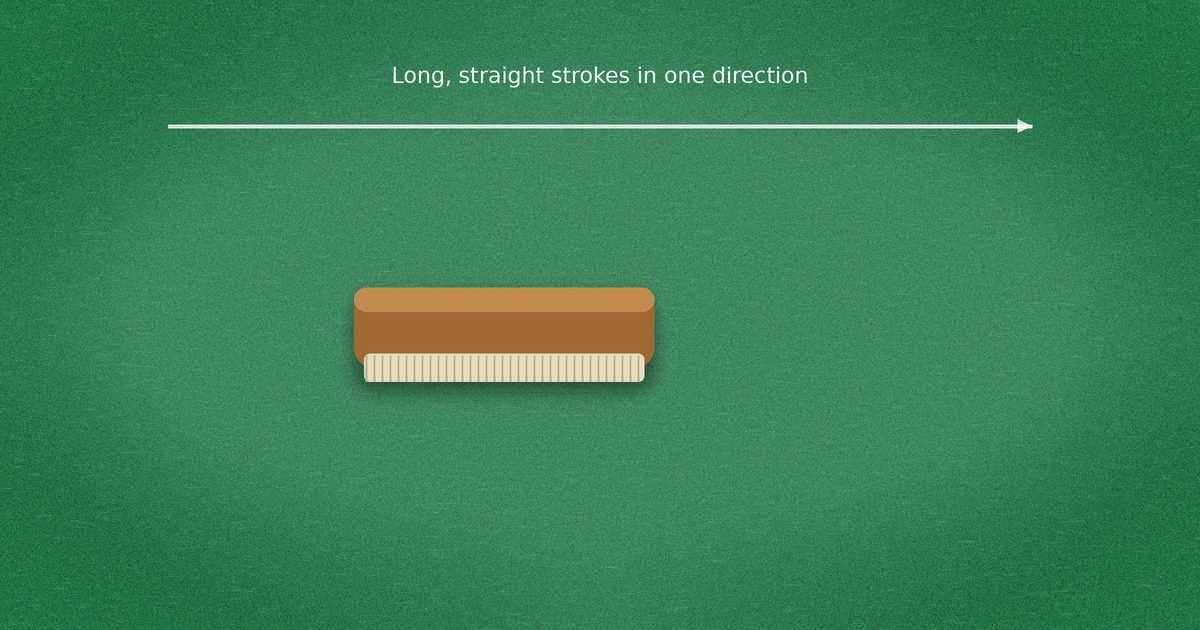
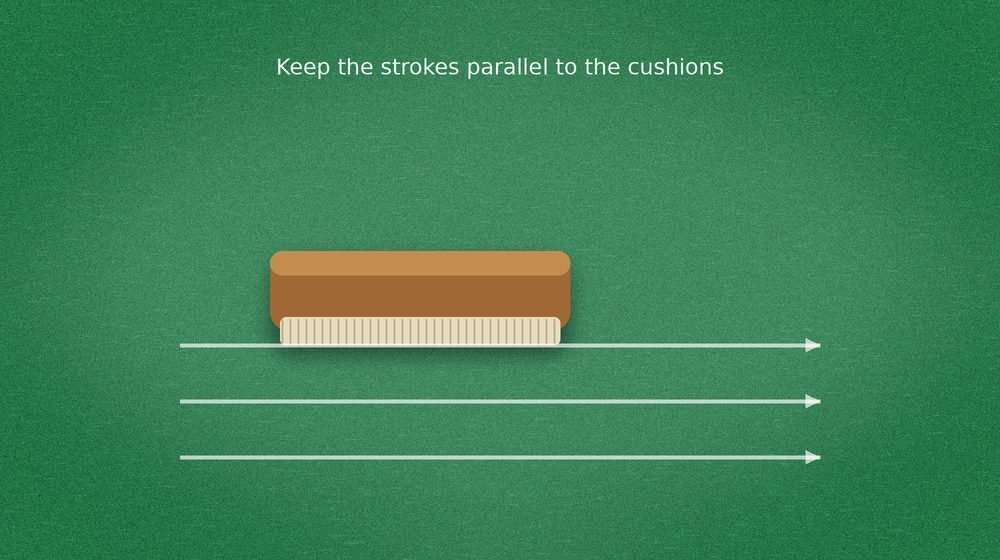
- Brush in the direction of the nap, from the baulk end to the top cushion, in long, straight strokes. Brushing against the nap can disturb the fibres.
- Brush before and after play, and take care around the cushions and pockets, where dust collects.
- Remove any stray chalk with a gentle sweep rather than a hard scrub.
- Clean the brush occasionally by removing trapped fibres.
In a club, the table is normally brushed by staff or by players at the end of the session. At home, a few strokes after each game will keep the cloth in good shape.
Ironing and pressing
Ironing is a technique used by professional table fitters and well-run clubs. A warm iron is passed lightly over the cloth to flatten the nap and remove small marks. This gives a fast, true surface, though it also reduces the life of the cloth. Because heat can easily burn or distort the fibres, it should only be done by someone with experience, and with a table iron designed for the purpose. Applying an ordinary household iron is risky, and a mistake can ruin an expensive cloth.
A gentler alternative is to use a damp, clean cloth to lift small areas of flattened nap, then brush the surface when it is dry. Do this sparingly, because moisture can affect the cloth and the slate. If the cloth is badly worn, no amount of ironing or brushing will restore it, and replacement is the right solution.
Dealing with marks and spills
Accidents happen, and speed matters.
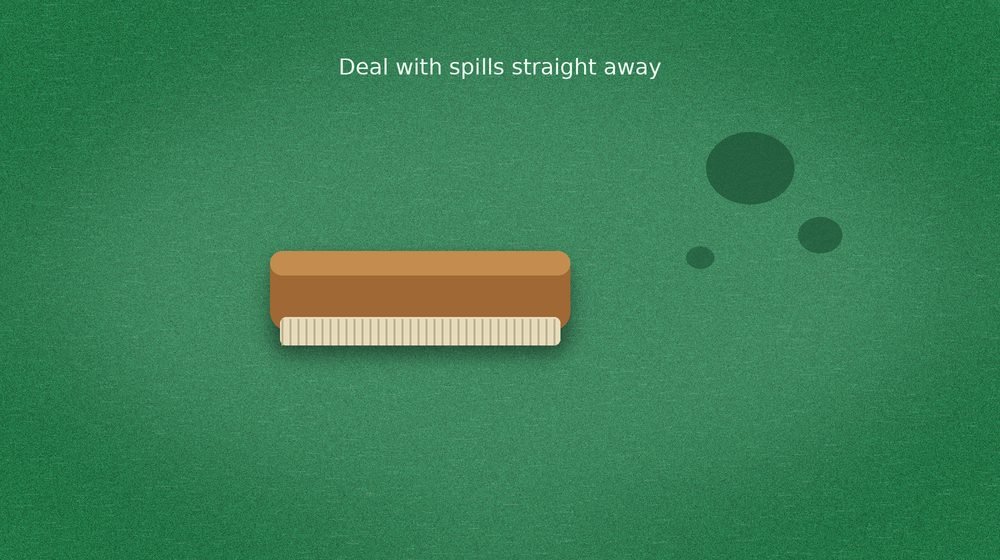
- Liquid spills: blot at once with a clean, dry cloth or paper towel. Press, do not rub, because rubbing spreads the liquid and pushes it into the fibres. Allow the area to dry naturally, and brush gently.
- Chalk marks: brush them lightly. If a mark remains, use a vacuum cleaner on low suction with a soft brush attachment.
- Grease and food: remove the loose material first, then dab with a lightly dampened cloth. Do not use strong chemicals, which can stain or harm the wool.
- Ink and pen marks: these are hard to remove. Seek advice from a table specialist before attempting to treat them.
The best protection is prevention. Keep drinks and food away from the table, and do not put bags, tools or other items on the cloth. These are habits we also recommend in our guide to snooker etiquette.
Humidity, temperature and light
The environment around the table matters as much as the cloth itself. Wool is absorbent, and it reacts to changes in moisture.
- Humidity: in damp rooms, the cloth absorbs moisture and becomes slow and heavy, and the slate can sweat. In very dry rooms, the cloth may become fast and static. A stable room, with moderate humidity, is ideal. A dehumidifier can help in damp spaces.
- Temperature: avoid placing the table near radiators or windows, where heat and cold change from hour to hour. Sudden changes can also affect the cushions.
- Sunlight: strong sun can fade the cloth unevenly, creating pale patches. Use blinds or curtains if the room is bright.
- Ventilation: a well-ventilated room reduces the risk of mould and mildew.
When a table is not in use for a long time, a fitted cover keeps off dust and light. Do not cover a damp table, because moisture can get trapped.
Cushions and pockets
The cloth is only part of the table’s playing character. The cushions, the rubber strips under the cloth along the edges, also age. Over time they harden and lose their bounce, so balls rebound more weakly. If you notice that balls die at the cushion, or that shots no longer play as they used to, the cushions may need replacing. This is often done at the same time as a new cloth.
The pockets also deserve attention. Pocket nets and leathers can wear and tear, and the cloth around the jaws takes a lot of punishment from fast balls. Check these areas regularly, and repair or replace them before the damage spreads. You will see why these details matter when you consider that snooker pockets are tight, as we explain in our comparison of snooker and pool.
When to replace the cloth
A cloth does not last forever. Signs that it needs replacing include:
- Shiny, bald patches, especially around the spots and the D, where balls and chalk have worn the nap away.
- A noticeable slowing down of the table, even after brushing.
- Holes, tears or frayed edges.
- Permanent stains or discolouration.
- Balls that no longer run straight, because of uneven wear.
In a busy club, a cloth may last a year or two. On a home table, it may last much longer. Replacement is a skilled task, and it is best left to a professional fitter, who will also check the slate for level and make any needed adjustments. Doing it yourself without experience can lead to creases, loose areas and a poor finish.
A simple care routine
You do not need to be an expert to look after a cloth well. This routine will keep most tables in good condition.
- Wash your hands before playing, and keep food and drink away from the table.
- Chalk the cue away from the cloth.
- Brush the table after every session, following the nap.
- Cover the table when it is not in use.
- Check the room’s humidity and temperature, and keep them stable.
- Have the table inspected by a professional every few years.
A little regular care pays off with a faster, truer surface and a longer-lasting cloth. For help with the cue itself, see our cue guide, and for the basics of the game, our beginner’s guide.